The Importance of Soil Health
Soil health is a fundamental aspect of sustainable agriculture, playing a pivotal role in supporting plant growth, facilitating nutrient cycling, and maintaining ecosystems. Healthy soils not only contribute to the productivity of crops but are also essential for the ecological balance of the environment. The concept of soil health encompasses a variety of factors, including the presence of organic matter, diverse microorganisms, and robust soil structure.
Organic matter is critical to soil health as it improves soil fertility, enhances moisture retention, and fosters a thriving habitat for microorganisms. These microorganisms, such as bacteria and fungi, are vital for nutrient cycling—transforming organic matter into nutrients that plants can absorb. This process not only boosts plant growth but also prevents nutrient depletion, which is crucial for long-term agricultural sustainability.
The structure of the soil itself significantly influences its health. Well-structured soil allows for appropriate air and water movement, which is essential for root development and nutrient uptake. Conversely, compaction or poor soil structure can hinder these processes, adversely affecting plant productivity. Maintaining a balanced soil structure also helps to promote biodiversity, which in turn supports the resilience of agricultural systems against pests and diseases.
In addition to these factors, soil health is influenced by land management practices that prevent erosion and degradation. Implementing techniques such as crop rotation, cover cropping, and reduced tillage can bolster the health of the soil. As stewards of the land, agricultural producers must prioritize soil health to ensure that farms remain productive, resilient, and sustainable over time.
Key Components of Soil Data: Moisture, Fertility, and Texture
Soil data is a crucial aspect of agricultural management, significantly influencing the productivity and sustainability of farming practices. Understanding the key components of soil data, namely soil moisture, fertility, and texture, is essential for farmers and agronomists to make informed decisions about crop production.
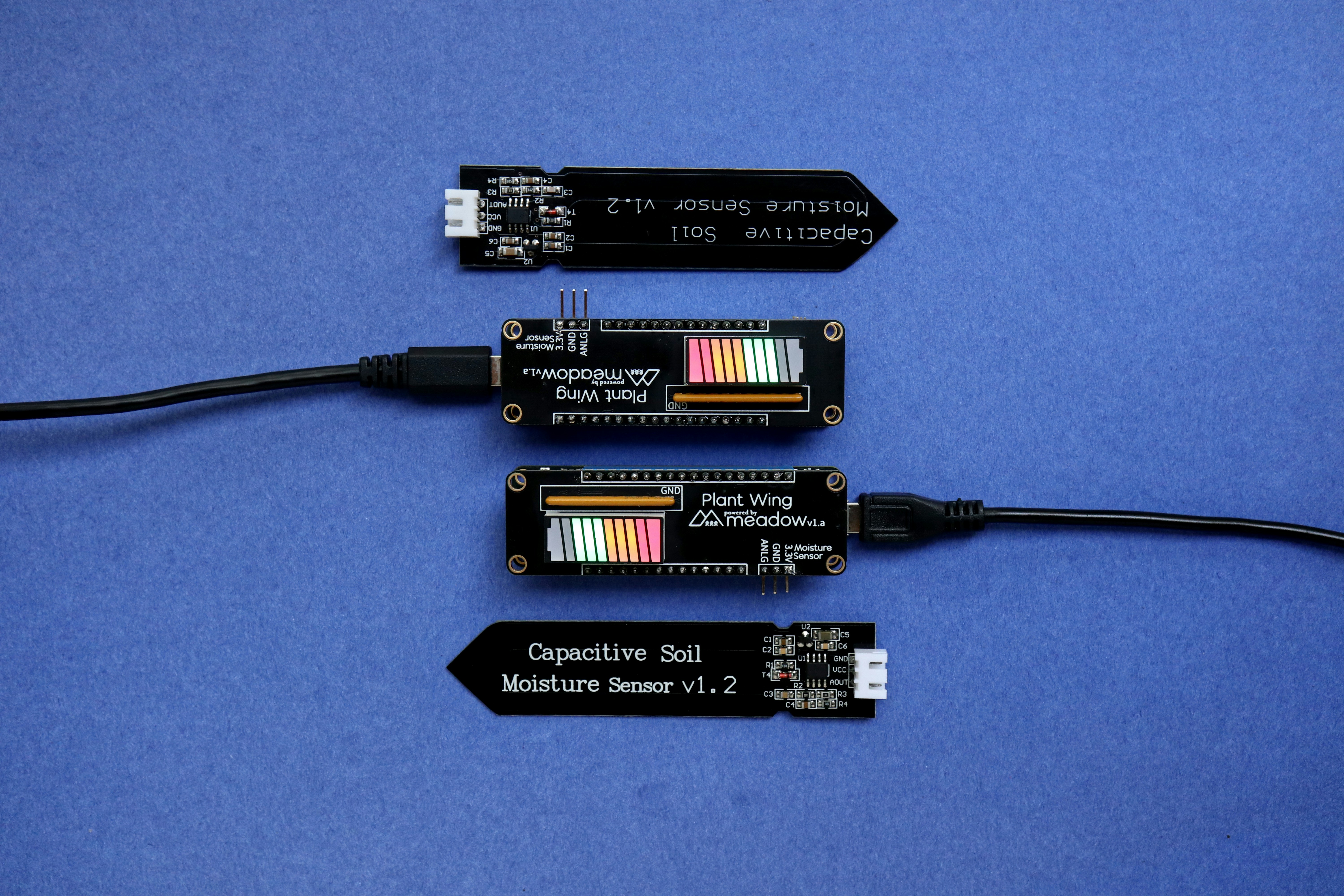
Soil moisture refers to the amount of water present in the soil, which is vital for plant growth. It affects seed germination and root development, and ultimately, it can impact the overall yield of crops. Adequate moisture levels ensure that plants can access the nutrients they require to thrive. Conversely, insufficient moisture can lead to drought stress and diminished crop performance. Therefore, monitoring soil moisture levels through sophisticated data platforms allows farmers to irrigate efficiently and conserve water resources.
The next component, soil fertility, pertains to the presence of essential nutrients within the soil that plants need to grow. These nutrients, including nitrogen, phosphorus, and potassium, play a significant role in enabling plants to develop and produce. Soil fertility can vary greatly depending on soil type and management practices. Regular testing and analysis of soil samples enable farmers to understand the nutrient profile of their land, facilitating precise fertilization strategies tailored to specific crops and reducing the risk of nutrient runoff.
Lastly, soil texture indicates the varying proportions of sand, silt, and clay present in the soil, which influences water retention, aeration, and nutrient holding capacity. Soils with a fine texture retain moisture better, while those with a coarse texture drain quickly. This characteristic affects crop selection and irrigation practices. Understanding soil texture helps farmers optimize their cultivation techniques to achieve higher yields.
The Role of Centralized Soil Data in Agriculture
Centralized soil data management has emerged as a pivotal advancement in modern agriculture, enabling farms to optimize their practices and improve overall soil health. By gathering and storing soil data in a centralized platform, farmers and agronomists can access a wealth of information that is crucial for effective decision-making. This centralized approach not only streamlines the data collection process but also enhances the quality and reliability of the information available.
One significant advantage of centralized soil data systems is the ability to conduct comprehensive analyses. By aggregating data from various sources, agronomists can identify patterns and correlations that might otherwise remain obscure in scattered datasets. This enables precision agriculture techniques, allowing farmers to make well-informed decisions that maximize yields while promoting sustainable practices. Moreover, having access to up-to-date soil health information facilitates timely interventions, ensuring that farmers can apply the right methods at the right time, thus conserving resources and enhancing productivity.
Additionally, the centralized management of soil data fosters collaboration among stakeholders in the agriculture sector. As more entities—such as universities, research institutions, and governmental agencies—contribute to or utilize the same database, the potential for knowledge sharing increases significantly. This collaborative environment encourages innovation, leading to the development of new agricultural techniques and tools. Furthermore, as farmers and researchers work together, they can collectively address soil-related challenges, enhance understanding of soil ecosystems, and develop strategies for long-term sustainability.
In light of these advantages, it is evident that centralized soil data systems play a vital role in agriculture. They not only facilitate better decision-making and analysis but also pave the way for enhanced cooperation among stakeholders, ultimately contributing to improved soil health and agricultural productivity.
Smart Platforms: Enhancing Crop Planning and Fertilizer Use
The adoption of smart platforms in agriculture marks a significant advancement in crop planning and fertilizer application strategies. These platforms utilize various technologies, such as soil sensors, satellite imagery, and data analytics, to assess and interpret soil health data. By generating comprehensive insights into soil composition and nutrient content, farmers can devise customized fertilization plans tailored to the specific needs of their crops.
One prominent example of this trend is the use of precision agriculture technologies, which help optimize fertilizer use. By analyzing real-time data collected from soil sensors, farmers can determine the precise amount of fertilizer required for different areas within a field. This targeted approach not only minimizes waste but also reduces the risk of nutrient runoff, thereby promoting environmental sustainability while maximizing crop yields.
A case study in this domain can be found in the implementation of smart platforms in vineyards. In regions where different grape varieties are cultivated, farmers have employed smart technologies to monitor soil moisture and nutrient levels continuously. By integrating these insights with regional climate data, vineyard managers have successfully optimized their fertilization schedules, leading to improved grape quality and higher yields.
Moreover, smart platforms facilitate a data-driven decision-making process, allowing farmers to forecast crop performance better and adjust their practices accordingly. By utilizing historical data alongside real-time soil health metrics, farmers can identify trends that inform crop rotation and planting schedules, ultimately enhancing productivity. The culmination of these technological advancements is not just a glimpse into the future of agriculture but a fundamental shift that emphasizes the necessity of smart platforms in maintaining soil fertility and ensuring sustainable farming practices.