Understanding Agricultural Big Data
Agricultural big data refers to the immense volume of information generated from various sources within the agricultural sector. This data is integral to enhancing farming practices, improving crop yields, and making informed decisions. The primary sources of agricultural big data include weather data, soil health information, satellite imagery, crop yield statistics, and market trends. Each type of data plays a crucial role in providing farmers and agricultural businesses with actionable insights.
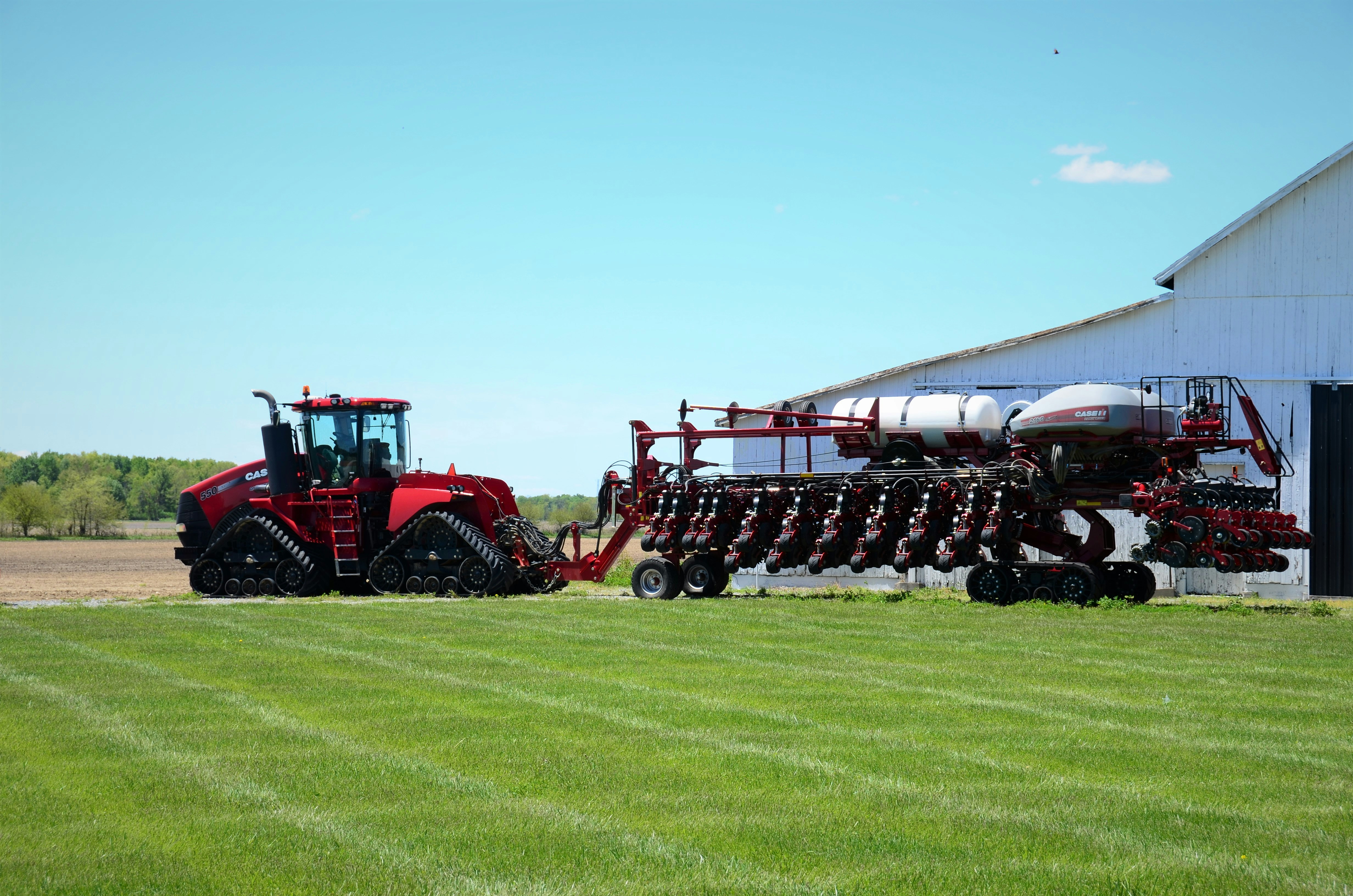
The integration of technology in agriculture, often termed as precision agriculture, has significantly contributed to the generation of large volumes of agricultural data. Modern farming practices employ sensors, drones, and satellite systems that continuously monitor environmental conditions. For instance, weather data is collected through sophisticated forecasting systems that predict climatic changes, which can affect planting and harvesting schedules. Soil health information, gathered through soil sensors and laboratory tests, provides insights into nutrient levels and pH balance, guiding farmers in fertilization and irrigation practices.
Additionally, crop yield statistics, captured through harvest data and satellite analysis, allow for the chronological evaluation of crop performance across different seasons and conditions. Farmers can analyze patterns of yield and adjust their strategies accordingly. Furthermore, market trends data helps agricultural stakeholders understand pricing fluctuations and consumer demands, leading to better crop selection and marketing strategies.
In conclusion, understanding agricultural big data is crucial for modern farming. The ability to collect, analyze, and interpret vast amounts of data has transformed agriculture, allowing for more efficient practices, enhanced productivity, and sustainable farming initiatives. By leveraging technology, stakeholders within the agricultural sector can harness the power of big data to well-informed decisions, ultimately improving food security and resource management.
Benefits of Big Data for Farmers
The advent of big data analytics has revolutionized the agricultural sector, providing farmers with a myriad of tools and insights that enhance their operational efficiency. One significant benefit of leveraging big data is the improved decision-making capabilities it offers. By aggregating and analyzing vast amounts of data, farmers can gain insights into optimal planting times, crop rotation schedules, and pest management strategies. This data-driven approach enables farmers to make informed decisions, ultimately leading to increased yields and profitability.
Moreover, enhanced crop management practices are another salient advantage of utilizing big data. Through precision agriculture techniques, data collected from various sources such as satellite imagery, drones, and soil sensors can be used to monitor crop health and growth patterns. For example, farmers can identify areas within their fields that require attention, allowing them to apply fertilizers and pesticides more effectively and only where needed. This method not only maximizes crop output but also minimizes environmental impact.
Predicting market trends is also facilitated by the effective use of big data. Farmers equipped with market analytics tools can analyze seasonal patterns and consumer preferences, which inform better planning and pricing strategies. Real-life applications, such as the use of predictive analytics software by farmers in California to forecast citrus market trends, showcase the efficiency this technology brings. These insights empower farmers to adjust their crop production according to expected market demands, thereby maximizing returns.
Lastly, the optimized use of resources, including water and fertilizers, is a critical concern in agriculture today. Big data analytics can illuminate inefficiencies in resource utilization. For instance, big data can assist farmers in determining the precise irrigation needs tailored to specific crop and soil conditions, effectively conserving water. Data-driven strategies not only ensure resource sustainability but also help in reducing operational costs and boosting productivity. The integration of big data in agriculture thus represents a transformative shift towards more efficient, sustainable farming practices.
Technologies Driving Big Data in Agriculture
The advent of big data in agriculture has been largely facilitated by several key technological advancements that enable farmers to collect and analyze vast amounts of information. One of the most significant tools in modern agriculture is the Internet of Things (IoT). IoT devices, such as soil sensors and weather stations, continuously gather data concerning soil moisture, temperature, and other critical environmental factors. This real-time data collection helps farmers make informed decisions to optimize crop yields and resource efficiency.
Moreover, drones have emerged as invaluable assets in agricultural practices. Equipped with cameras and sensors, these unmanned aerial vehicles (UAVs) can monitor crop health, assess plant growth, and identify pest infestations from above. The imagery collected by drones can be processed to create detailed maps that provide insights into crop conditions, allowing farmers to act swiftly and strategically to improve their productivity.
Satellite imagery also plays a crucial role in the big data landscape. High-resolution images from satellites can cover expansive agricultural areas, enabling farmers to track changes over time and analyze trends such as crop performance or land use. When combined with data from IoT devices and drones, satellite data creates a comprehensive view of the agricultural landscape, augmenting decision-making processes.
Artificial Intelligence (AI) algorithms are increasingly being utilized to transform the raw data collected into actionable insights. These advanced algorithms can analyze complex datasets to identify patterns and predict outcomes, such as forecasting harvest times or potential disease outbreaks. Additionally, effective data management systems and software platforms are essential for integrating and processing data from various sources, ensuring that farmers can convert this information into strategic actions.
In conclusion, the role of technologies like IoT, drones, satellite imagery, and AI algorithms is pivotal in the collection and analysis of big data in agriculture. Through innovative data management practices, farmers are better equipped to optimize resources and enhance crop yields, ultimately contributing to more sustainable farming practices.
Challenges and Future of Big Data in Agriculture
The implementation of big data in agriculture presents numerous challenges that farmers must navigate to fully leverage its benefits. One of the foremost issues is data privacy concerns. Farmers often collect and share sensitive data regarding their operations, which raises apprehensions about who can access this information and how it might be used. The risk of data breaches can deter adoption, as farmers may fear the potential misuse of their data.
Another significant challenge is the need for digital literacy among farmers. As more agricultural technologies emerge that rely on big data analytics, farmers must be equipped with the necessary skills to understand and utilize these tools effectively. Many farmers, particularly those from older generations or in rural regions, may lack sufficient training in digital technologies. Addressing this gap through education and support systems is essential to facilitate smoother transitions into data-driven farming practices.
The costs associated with investing in big data technologies can also be prohibitive for many farmers, especially smallholders. Adopting advanced technologies often requires substantial upfront investment in hardware, software, and ongoing maintenance. This can lead to a digital divide within the agricultural sector, where only large-scale operations can afford to implement big data solutions, potentially disadvantaging smaller farms.
Despite these challenges, the future of big data in agriculture looks promising. Emerging trends indicate increasing innovations such as precision farming, which leverages big data to optimize crop yields while conserving resources. Additionally, advancements in artificial intelligence and machine learning are set to enhance predictive analytics in agriculture, allowing farmers to make data-driven decisions that promote sustainability and efficiency. As technological barriers decrease and educational initiatives increase, the integration of big data could transform agricultural practices, making them more productive and environmentally friendly.