
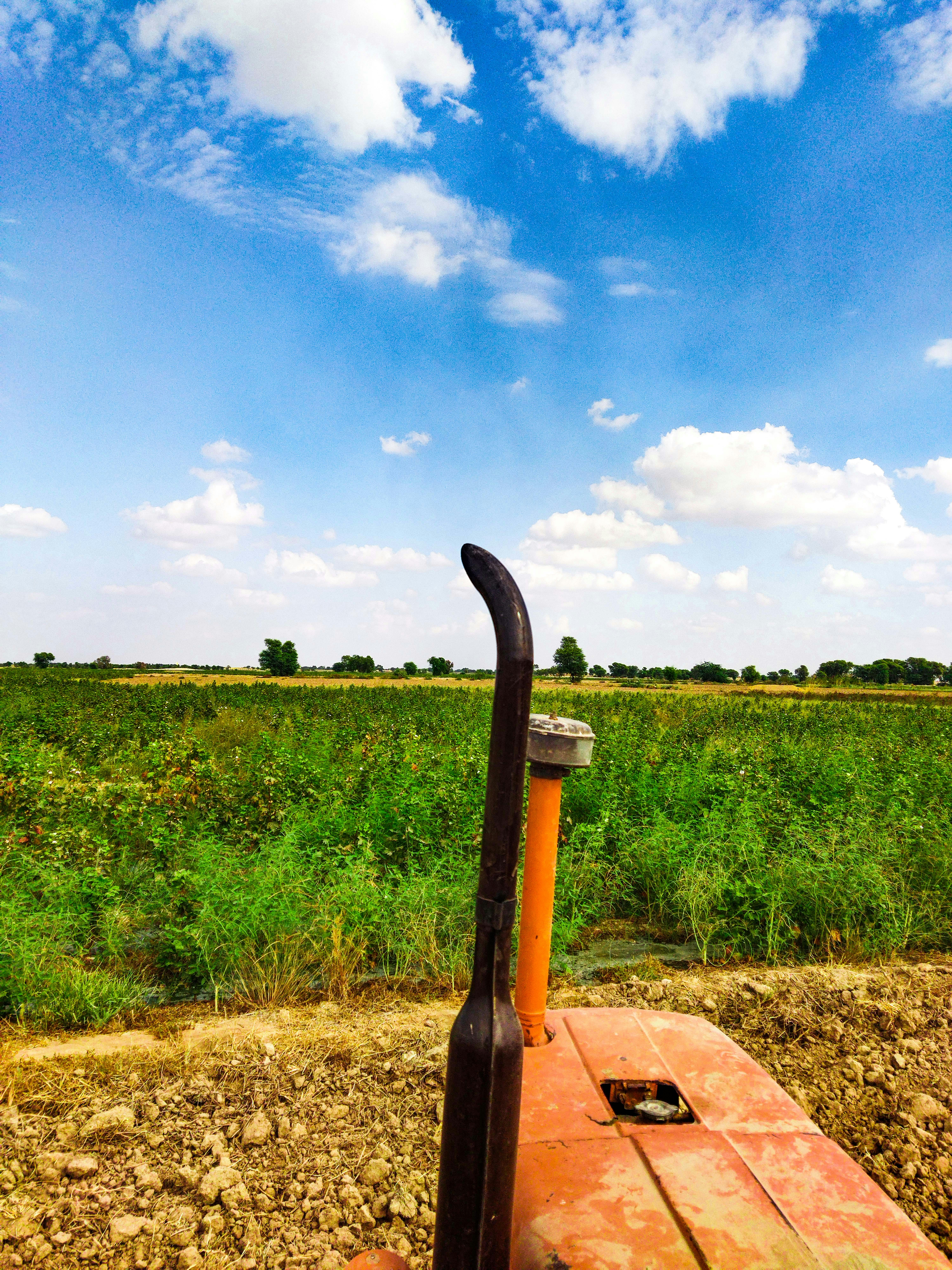
Introduction to AI in Agriculture
Artificial Intelligence (AI) is progressively becoming a pivotal technology in agriculture, reshaping how farming practices are approached across the globe. The integration of AI into the agricultural sector offers significant advancements, particularly in the area of crop yield predictions. By harnessing vast amounts of data, AI algorithms facilitate the analysis and forecasting of agricultural outputs, which is crucial for ensuring food security and optimizing resource management.
The agricultural landscape faces numerous challenges, including unpredictable climatic conditions and an ever-increasing global population, which fuels the demand for food production. As a result, traditional farming methods often fall short in meeting these growing needs. AI serves as a transformative solution, enabling farmers to adopt precision agriculture techniques that are more data-driven and scientifically informed. This level of precision is essential in helping to devise effective strategies for maximizing crop yields.
One of the main advantages of employing AI in crop yield predictions is its capability to process and analyze real-time data from various sources, such as weather forecasts, soil conditions, and historical crop performance. By processing this extensive data, AI can identify patterns and trends that human analysts may overlook. This leads to more accurate predictions regarding how different factors will influence yield outcomes, allowing farmers to make informed decisions about planting, fertilization, and irrigation practices.
Furthermore, accurate crop yield predictions not only benefit farmers in terms of resource allocation but also play a significant role in financial planning and market strategy. With reliable insights into anticipated yields, farmers are better equipped to manage workforce deployment, mitigate risks associated with climate variability, and ensure affordability in their operations. Ultimately, the adoption of AI for crop yield predictions presents a substantial opportunity to enhance agricultural productivity and sustainability in light of the pressing challenges facing the industry.
Historical Data and Its Role in Crop Yield Predictions
The foundation of accurate crop yield predictions lies significantly in historical data. This data encompasses a variety of agricultural parameters, which provide essential insights into past farming practices and their resultant yields. Key components of historical agricultural data include past yield records, planting and harvesting dates, weather patterns, and incidences of pests or diseases. Collectively, these data points serve as pivotal inputs for artificial intelligence (AI) algorithms.
AI models utilize machine learning techniques to evaluate the complex interplay of these historical factors. By analyzing vast datasets, these algorithms can identify intricate patterns and trends that are often imperceptible to human analysts. For example, historical climate data can reveal how variations in temperature and precipitation affect yield outcomes over time. Similarly, detailed records of planting and harvesting dates allow AI systems to ascertain the optimal times for agricultural operations based on historical success rates.
Furthermore, the quality and accuracy of historical data are paramount in determining the effectiveness of AI-based predictions. Inaccurate or incomplete data could lead to misguided forecasts, ultimately affecting decision-making processes in agriculture. Therefore, it is essential that farmers and agricultural scientists ensure the reliability of historical datasets, as these serve as the cornerstone for training AI models. The more precise the historical data, the more proficient the AI can be in making accurate predictions about future crop yields.
Moreover, historical data not only secures a strong base for predictions but also aids in the continuous improvement of AI models. As new data is integrated, algorithms can refine their predictive accuracy, making it an evolving process. Over time, this methodological approach fosters enhanced decision-making in farming, allowing for better resource allocation and risk management in agricultural practices.
Incorporating Climate Inputs and Soil Conditions
The integration of climate inputs and soil conditions is paramount in AI-driven crop yield prediction models, as these factors significantly influence agricultural outcomes. Various climate elements, including temperature, rainfall, humidity, and solar radiation, play critical roles in the growth and development of crops. AI systems can analyze historical and real-time climate data, allowing for accurate predictions of how these variables affect specific crop yields. For instance, increased temperature can lead to heat stress in certain crops, while irregular rainfall patterns can either lead to insufficient water supply or excess water that may cause root diseases.
Moreover, the patterns of humidity greatly impact transpiration rates and disease prevalence, further establishing the need for precise climate input integration. By processing vast amounts of climate data, AI models can forecast yield variations based on expected climatic scenarios, enabling farmers to make informed decisions about resource allocation and crop management.
In addition to climatic factors, soil conditions are equally essential in yield predictions. Soil properties such as pH level, nutrient availability, soil structure, and moisture retention capabilities directly affect crop growth. AI algorithms can assess soil health through the analysis of various soil samples and measurements. For example, the pH level influences nutrient solubility, while the nutrient content dictates the overall fertility of the soil.
Furthermore, soil moisture retention is critical for ensuring that plants have sufficient water during key growth phases. By incorporating data on these variables, AI systems enhance the precision of yield predictions in relation to soil health. Consequently, this integration of climate inputs and soil conditions empowers precision farming practices aimed at maximizing crop yield and minimizing the risks linked with changing environmental conditions.
Benefits and Challenges of AI in Crop Yield Prediction
Artificial Intelligence (AI) is revolutionizing various sectors, and agriculture is no exception. In crop yield prediction, AI enhances accuracy and reduces uncertainty, making it an indispensable tool for farmers. High-quality data inputs combined with sophisticated algorithms allow for more precise forecasts of yields, enabling farmers to make informed decisions about resource allocation, planting strategies, and potential market engagement. This level of accuracy not only improves management efficiency but also serves as a basis for optimizing inputs like fertilizers and water, thus maximizing crop production while minimizing waste.
Furthermore, AI can aid in real-time decision-making by analyzing weather patterns, soil conditions, and pest infestations. By integrating these variables, AI systems deliver actionable insights that empower farmers to respond proactively to changing conditions, which is critical for ensuring crop health and maximizing yields. Consequently, these technologies pave the way for innovative agricultural practices that can significantly enhance productivity levels and sustain farms economically.
However, there are notable challenges associated with the implementation of AI in crop yield prediction. One of the primary hurdles is the need for access to high-quality data. Farmers often lack the necessary datasets that inform AI algorithms, leading to potential inaccuracies in predictions. Additionally, there is a reliance on technical expertise to interpret AI insights effectively, which may be a barrier for some farmers. Another concern is the potential for biases within AI algorithms, influenced by the data inputs. If the data is flawed or not representative, it could misguide predictions, ultimately resulting in poor farming decisions.
Despite these challenges, the future of AI in agriculture appears promising. By overcoming barriers to access and ensuring the accuracy of data inputs, AI holds the potential to enhance food security further. As technologies continue to evolve, the capacity of AI to improve crop yield predictions may play a critical role in addressing global food demands.