Understanding the Role of AI in Agriculture
Artificial intelligence (AI) is increasingly becoming a pivotal component in the agricultural sector, transforming traditional farming practices into more efficient, data-driven methodologies. By leveraging advanced algorithms and machine learning techniques, AI technology provides farmers with the capability to analyze vast amounts of data pertaining to climate, soil conditions, and crop health. This analytical power enables a shift from reliance on intuition to informed decision-making based on real-time insights.
AI-driven platforms can focus on multiple aspects of agriculture, including pest and disease prediction, resource management, and yield forecasting. By assimilating and interpreting large datasets, these systems can identify patterns and anomalies that human observation might overlook. For instance, the integration of AI can help predict potential pest outbreaks or crop diseases before they manifest, allowing farmers to implement preventive measures promptly. This proactive approach not only reduces crop loss but also minimizes the need for chemical treatments, promoting sustainable farming practices.
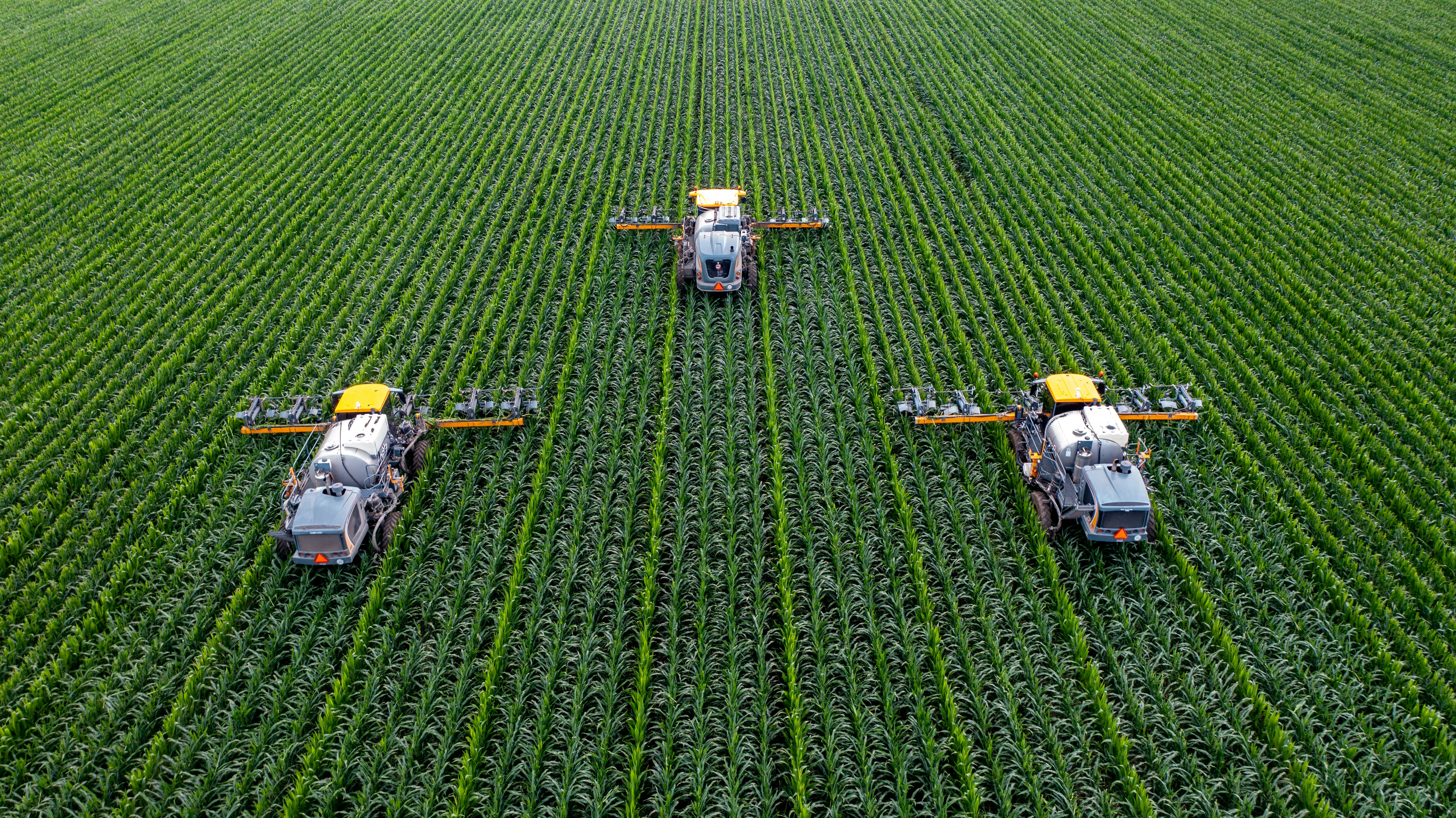
The role of AI in agriculture extends beyond just data analysis. With the continuous improvement in sensor technology and IoT (Internet of Things), farmers can deploy smart devices on their fields that feed information back to AI systems. This seamless integration of technology ensures that farmers have access to unparalleled insights regarding their land’s health and productivity. Furthermore, AI tools can optimize resource usage by analyzing patterns of water and nutrient needs, which directly contributes to enhanced productivity. In a world facing the challenges of climate change and a growing population, the adoption of such technology is not merely a benefit but a necessity.
Analyzing Climate and Crop Data
In the realm of agriculture, the analysis of climate and crop data has become an essential component in predicting pest and disease outbreaks. Smart platforms equipped with advanced analytics are designed to collect and process various climate parameters, including temperature, humidity, and rainfall. These climatic factors are critical as they significantly influence the development and proliferation of pests and pathogens.
Temperature, for instance, affects the life cycle of many pest species and the rate at which diseases develop. High temperatures may accelerate pest reproduction, while excessive humidity can cause certain pathogens to thrive, leading to disease outbreaks in crops. Rainfall patterns also play a substantial role, as excessive moisture can create suitable conditions for fungal infections, while prolonged dry spells weaken plants and make them more susceptible to infestations.
Furthermore, crop-specific information is imperative in accurately forecasting potential outbreaks. Different crop varieties exhibit diverse resilience levels and susceptibility to pests and diseases. Therefore, understanding the growth stages of crops, from seedling to maturity, is crucial. This knowledge allows farmers to forecast when their crops are at higher risk and when preventative measures should be implemented.
The integration of Internet of Things (IoT) devices and sensors enhances data collection capabilities. These technologies enable the real-time capturing of data across various environmental conditions, which allows for more accurate analysis and timely prediction of agricultural threats. Sensors can monitor soil moisture levels, temperature fluctuations, and other relevant factors, providing farmers with actionable insights tailored to their specific agricultural context. This holistic approach not only aids in pest and disease management but ultimately contributes to sustainable farming practices and improved yields.
Predictive Analytics in Pest Management
In recent years, the integration of predictive analytics into pest management has become a vital advancement in agriculture, particularly through the utilization of artificial intelligence (AI). Predictive analytics involves harnessing large datasets to identify potential pest and disease outbreaks before they occur, thereby allowing for proactive management strategies. AI algorithms utilize historical data, environmental conditions, and pest life cycles to develop predictive models that can forecast the likelihood of infestations.
Machine learning techniques play a crucial role in this process. These algorithms analyze complex datasets to recognize patterns that might not be immediately obvious to human analysts. For instance, supervised learning methods, such as decision trees and support vector machines, can classify outbreaks based on previous occurrences while unsupervised learning techniques might identify clusters of similar conditions that lead to pest invasions. By processing this data efficiently, AI models can predict future occurrences of pests and diseases with remarkable accuracy.
The benefits of employing advanced predictive analytics in pest management are substantial. Farmers can implement targeted interventions, focusing their resources on specific areas that are at high risk of infestation. This targeted approach not only improves the effectiveness of pest control measures but also contributes to ecological sustainability, as it reduces the unnecessary application of pesticides. Furthermore, timely predictions allow farmers to apply treatments at the most critical moments, significantly reducing financial losses associated with pest damage.
Overall, the integration of AI-driven predictive analytics into pest management strategies empowers farmers to make informed decisions, enhancing crop health and yield while minimizing environmental impact. As agricultural practices continue to evolve, such innovative solutions are essential for addressing the challenges posed by pests and diseases.
Case Studies and Real-World Applications
Artificial Intelligence (AI) has increasingly been utilized in agriculture, specifically for pest and disease prediction, demonstrating significant advantages for farmers. Various case studies reveal how integrating AI technologies into farming practices can lead to enhanced productivity and sustainability.
One notable example comes from a large agricultural enterprise in California that employs AI-driven analytical tools to predict the onset of disease in crops. By using real-time data and machine learning algorithms, the system analyzes environmental factors such as humidity and temperature, correlating these with historical crop health data. As a result, this enterprise has reported a 25% increase in crop yields annually, thanks to timely interventions based on AI forecasts, allowing for more precise treatments that minimize chemical use.
In another case, a small-scale farmer in the Midwest adopted AI technology to monitor pest populations through the use of drones and computer vision. These tools enabled the farmer to identify pest infestations at an early stage, which led to targeted pest control methods that reduced pesticide use by 40%. The operational cost savings and lower environmental impact resonate well with the growing expectations for sustainable agriculture practices.
Furthermore, an agritech startup based in the Netherlands has developed a mobile application that utilizes AI algorithms to assist farmers in making informed decisions regarding crop management. By analyzing data from local weather patterns, soil conditions, and pest prevalence rates, the application provides recommendations on both planting and treatment schedules. Initial feedback indicates that farmers using the app have improved yield quality and reduced waste.
These case studies illustrate the profound implications of AI adoption in pest and disease management within agriculture. They not only highlight the significant economic advantages realized by farmers but also emphasize the importance of sustainable practices that consider environmental conservation. As the agricultural sector continues to evolve, the integration of AI technologies is poised to become a cornerstone for future advancements.