Understanding Smart Farming
Smart farming represents a transformative approach to agriculture harnessing advanced technologies to enhance productivity while ensuring efficient use of natural resources, particularly water. This modern agricultural paradigm integrates various components—precision agriculture, Internet of Things (IoT) devices, data analytics, and automation—to create a responsive farming system capable of promoting sustainability and maximizing crop yields.
Precision agriculture involves utilizing data-driven techniques that allow farmers to monitor and manage field variability in crops. By employing sensors and imaging technologies, farmers can gain insights into soil conditions, crop health, and moisture levels. This enables them to apply inputs such as water and fertilizers more accurately, thus reducing wastage and optimizing resource use. The goal is to effectively tailor treatments to specific areas within a field, ensuring that every drop of water is utilized efficiently.
IoT devices play a critical role in smart farming by collecting real-time data from the field. These interconnected devices transmit information related to soil moisture, temperature, and crop health directly to farmers, enabling informed decision-making. When combined with data analytics, the information gathered can lead to predictive insights, further enhancing the decision-making process. Farmers can forecast irrigation needs based on current conditions rather than relying on past experiences or generalized guidelines.
Automation is another essential component of smart farming. Advanced machinery, such as drones and autonomous tractors, can carry out tasks with high precision, minimizing human labor while maximizing efficiency. This not only lowers operational costs but also reduces the overall environmental impact of farming practices.
Ultimately, the aims of smart farming are to improve crop yields, minimize waste, and ensure sustainable agricultural practices. By safeguarding water resources through innovative technologies, smart farming represents a pathway towards achieving long-term agricultural sustainability while meeting the increasing global food demands.
Water Scarcity and Its Impact on Agriculture
Water scarcity represents a significant challenge in today’s agricultural landscape, affecting food production and sustainability. A staggering statistic from the United Nations indicates that approximately 2.2 billion people lack access to safely managed drinking water, which underscores an urgent global issue. Agriculture consumes around 70% of the world’s freshwater resources, and as such, the agricultural sector is profoundly impacted by any deficiencies in water availability.
Climate change further exacerbates water scarcity, creating a cycle of unpredictability in rainfall distribution and intensified drought conditions. These changes threaten agricultural productivity, leading to reduced crop yields and impaired quality. With projections indicating that global temperatures could rise by 1.5°C this century, the agricultural sector must adapt now more than ever. Moreover, population growth compounds this issue; as the world population is expected to reach approximately 9.7 billion by 2050, the pressure on water resources for irrigation becomes even more immediate.
The increasing demand for water resources in agriculture necessitates a reevaluation of current irrigation practices. Efficient water usage is critical, as outdated methods can lead to significant wastage, further aggravating the scarcity. Some traditional farming practices utilize flood irrigation, which not only wastes water but also contributes to salinization of soil and depletion of aquifers. Therefore, the adoption of innovative water conservation technologies in farming is essential to ensure that agricultural productivity is maintained while safeguarding vital water resources.
In light of these factors, the urgency of developing and implementing effective water conservation strategies within the framework of smart farming cannot be overstated. The goal is to balance agricultural needs with the sustainable management of water resources, ensuring that future generations can thrive in an environment that is increasingly affected by climate change and resource scarcity.
Innovative Water Conservation Strategies in Smart Farming
In the sphere of smart farming, innovative water conservation strategies are critical for enhancing agricultural productivity while ensuring the sustainability of water resources. One of the most effective methods is drip irrigation, which delivers water directly to the plant roots through a network of tubing and emitters. This targeted approach minimizes water waste and significantly increases efficiency, often using 30-50% less water than conventional irrigation techniques. Many farmers have reported higher crop yields due to the optimal moisture levels maintained by this system.
Another promising technique is rainwater harvesting, which involves collecting and storing rainwater for irrigation purposes. By capturing rainwater, farmers can reduce reliance on groundwater and municipal water sources, thus conserving these vital resources. This method has been successfully implemented in various regions, where farmers have transformed their fields by integrating reservoirs or cisterns to store rainwater, leading to reduced costs and improved water availability during dry spells.
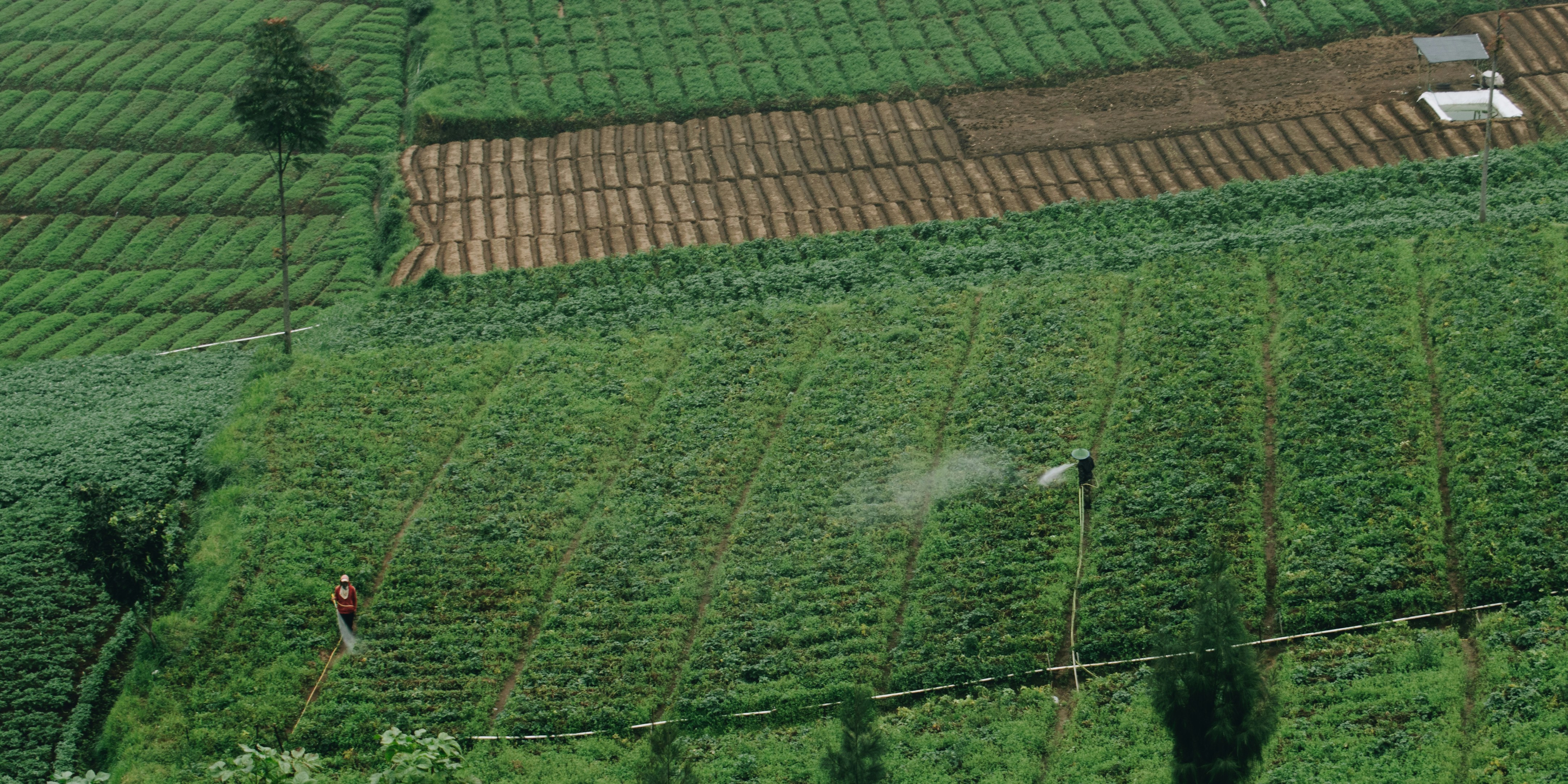
Soil moisture sensors represent another innovative solution in water conservation. These sensors monitor soil moisture levels in real time, providing farmers with accurate data to optimize irrigation schedules. By only irrigating when necessary, farmers can prevent overwatering and improve the efficiency of water usage. The integration of such technology has led to significant reductions in water usage and has been embraced by various agricultural operations worldwide, demonstrating the tangible benefits of smart farming.
Additionally, the practice of smart scheduling of irrigation based on weather forecasts and soil conditions allows for the precise application of water. By utilizing data-driven approaches, farmers can adjust their irrigation practices dynamically, ensuring crops receive the right amount of water at the right time. This method not only conserves water but also promotes healthier crop growth.
The Future of Smart Farming and Water Management
The landscape of agriculture is undergoing a significant transformation, driven by advancements in smart farming practices that prioritize water conservation. Emerging technologies hold great promise for enhancing the efficiency of water management in agriculture. Tools such as precision irrigation systems, soil moisture sensors, and data analytics platforms are at the forefront of this revolution. These innovations enable farmers to monitor water usage in real-time and adjust application rates accordingly, thus reducing wastage while maximizing crop yields.
One potential technology on the horizon is the integration of IoT (Internet of Things) devices in agricultural settings. These devices can collect and analyze data from various sources, providing insights into soil conditions, weather patterns, and crop needs. With accurate, data-driven decisions, farmers can implement more sustainable water practices and optimize their operations. Another promising development is the use of artificial intelligence (AI) to predict water requirements based on historical data and current conditions, further enhancing the precision of water management.
However, the adoption of these technologies is not without challenges. Barriers such as the initial cost of investment, lack of technical knowledge, and varying degrees of acceptance within the farming community can hinder progress. Moreover, ensuring equitable access to advanced tools is crucial to prevent widening disparities between large and small-scale farmers.
The role of policy and financial incentives will be pivotal in fostering a conducive environment for the adoption of smart farming technologies. Governments and organizations must implement frameworks that encourage innovation while supporting farmers in the transition to more sustainable water practices. This can include subsidies for purchasing technology, investing in training programs, and developing regulations that promote water conservation.
Ultimately, the future of smart farming and water management represents an inspiring vision for sustainable agricultural practices. By embracing these advancements, the farming sector can enhance productivity while safeguarding vital water resources for generations to come.