Introduction to Smart Farming and Data-Driven Fertilization
Smart farming, an innovative approach to agriculture, leverages advanced technologies and data analytics to optimize farming practices. The integration of data-driven techniques has transformed how farmers approach crop management, particularly in the application of fertilizers. As the demand for sustainable agricultural practices continues to rise, understanding the significance of data in fertilizer management is paramount.
Data-driven fertilization involves the systematic collection and analysis of various data types—ranging from soil composition and nutrient levels to weather patterns and crop health indicators. By utilizing sensors, satellites, and other digital tools, farmers can gather real-time data that guides their decision-making processes. This shift towards precision agriculture allows for tailored fertilizer application, ensuring that crops receive the right nutrients at the right time.
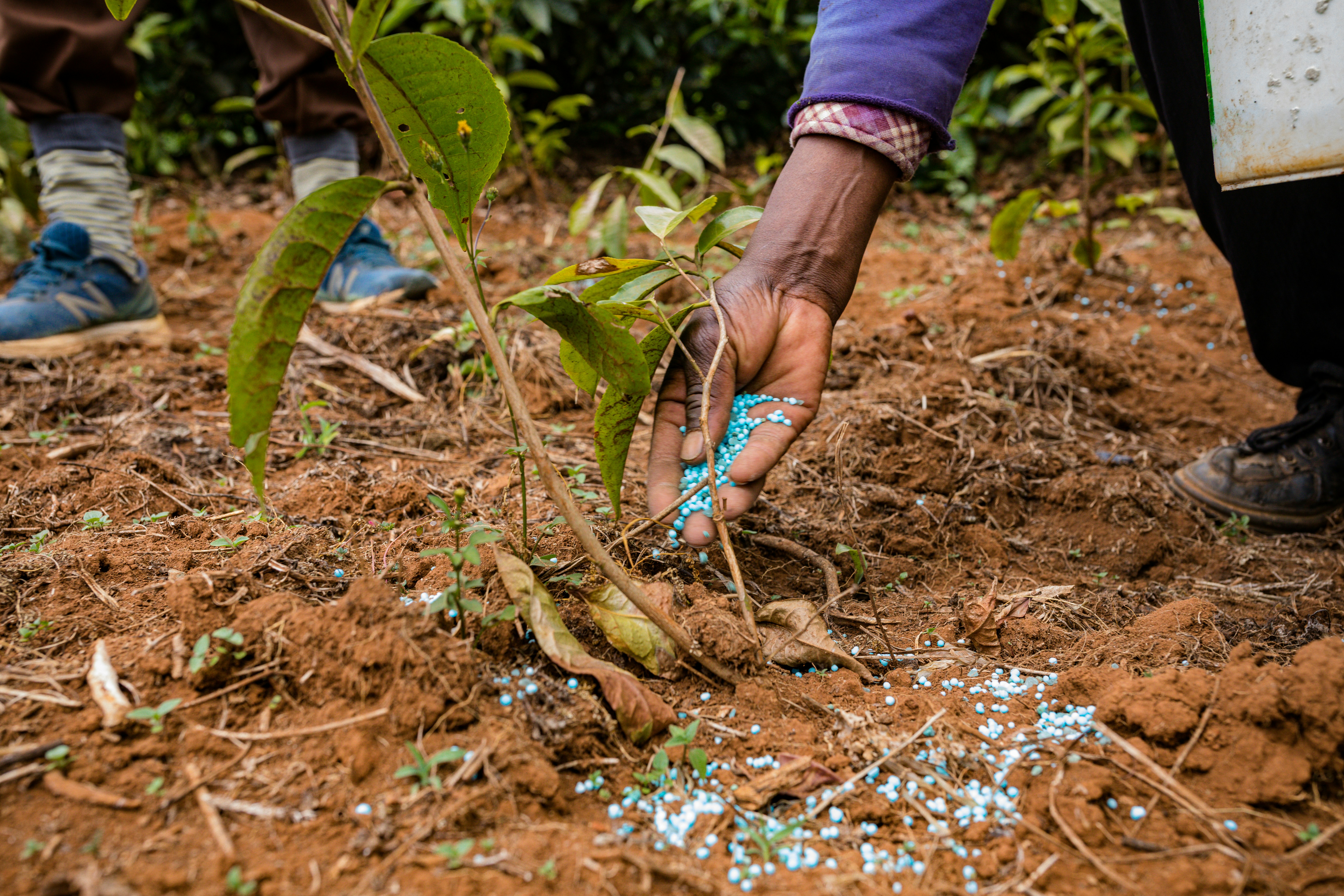
One of the key benefits of smart farming is the ability to reduce excess fertilizer use, which is crucial for environmental sustainability. Over-application of fertilizers not only leads to increased costs for farmers but can also result in nutrient runoff, adversely affecting surrounding ecosystems. By harnessing data from diverse sources, farmers can more accurately assess their fields’ nutritional needs, allowing for the application of fertilizers that match specific crop requirements. Through this informed approach, growers can enhance yield outcomes while minimizing their environmental footprint.
Furthermore, smart farming technologies promote continuous improvement in farming practices. As more data is collected and analyzed, farmers can adjust their fertilizer management strategies based on historical trends and predictive analytics. This iterative learning process ultimately facilitates better resource allocation and contributes to achieving higher agricultural productivity sustainably.
The Role of Precision Agriculture in Fertilizer Management
Precision agriculture, an innovative approach to farming, aims to optimize field-level management regarding crop farming. This methodology is particularly important in fertilizer management, as it relies on data collection and analysis to ensure that fertilizers are applied in the right amount, at the right time, and in the right place. By leveraging technologies such as soil sensors, satellite imagery, and drones, farmers can gather crucial information regarding soil health, moisture levels, and nutrient availability, leading to more effective and efficient fertilizer utilization.
Soil sensors play a vital role in precision agriculture by providing real-time data about nutrient conditions in the soil. These sensors measure various parameters, including pH levels, electrical conductivity, and moisture content, allowing farmers to determine the specific nutrient needs of their crops. The precise data helps in tailoring fertilizer applications to meet the unique requirements of each field, which can considerably reduce the amount of fertilizers needed and minimize environmental impact.
Additionally, satellite imagery serves as a crucial component in monitoring crop health and detecting variations in nutrient levels across large farm areas. This aerial perspective enables farmers to identify underperforming zones and adjust their fertilizer strategies accordingly. Moreover, drones facilitate the collection of high-resolution images, further enhancing the analysis of crop growth and soil conditions.
In summary, precision agriculture’s integration of innovative technologies is revolutionizing fertilizer management. By employing advanced tools like soil sensors, satellite imagery, and drones, farmers can obtain a comprehensive understanding of their fields. This targeted approach not only enhances crop yield and sustainability but also promotes responsible fertilizer usage, ultimately supporting the goal of maximizing productivity while preserving environmental integrity.
Benefits of Data-Driven Fertilization Practices
Data-driven fertilization practices offer numerous advantages, significantly enhancing both agricultural productivity and environmental sustainability. By leveraging smart farming data, farmers can optimize the application of fertilizers, which in turn leads to improved crop yields. Utilizing data analytics, growers can analyze soil health, crop nutrient requirements, and weather patterns, allowing for precise fertilizer recommendations tailored to the specific needs of each field.
One of the primary benefits is the reduction of nutrient runoff, a critical issue that impacts water quality in nearby streams and lakes. By applying fertilizers only when and where necessary, farmers can mitigate the risk of excess nutrients leaching into waterways, which can cause harmful algal blooms and other ecological disturbances. This practice not only helps in maintaining the integrity of the environment but also aligns with sustainable agricultural practices, which are becoming increasingly important in today’s farming landscape.
Additionally, data-driven approaches can lead to significant cost savings for farmers. By optimizing fertilizer use, farmers minimize waste and reduce unnecessary expenses related to over-application. For instance, a case study conducted by the University of Minnesota demonstrated that farmers who implemented Precision Agriculture techniques reported a 20% decrease in fertilizer costs while simultaneously increasing their crop yields by 15%. This illustrates how smart farming data not only enhances operational efficiency but also supports economic viability for farmers.
Moreover, adopting these advanced fertilization practices can lead to higher-quality crops, thereby increasing market values. Overall, data-driven fertilization practices empower farmers to make informed decisions, leading to enhanced productivity, environmental protection, and economic sustainability in agriculture.
Future Trends in Smart Farming and Fertilizer Management
The agricultural landscape is rapidly evolving, driven by advancements in smart farming technologies. The integration of data analytics, machine learning, and the Internet of Things (IoT) is revolutionizing the way farmers approach fertilizer management. These emerging trends are paving the way for enhanced precision in fertilizer application, thereby optimizing crop yields and sustainability.
One of the most notable trends is the increased use of data analytics to interpret vast amounts of agricultural data. By employing advanced algorithms, farmers can analyze real-time data from various sources, including weather patterns, soil health, and crop performance. This level of analysis allows for more informed decision-making, particularly regarding the timing and quantity of fertilizer application. As predictive analytics becomes more prevalent, farmers will be better equipped to adjust their fertilizer management practices proactively, responding to the dynamic conditions of their fields.
Moreover, machine learning technologies are playing a crucial role in enhancing efficiency in smart farming. These systems can learn from historical data, identifying patterns that lead to optimal fertilizer usage. As machine learning models become more sophisticated, their recommendations will enable farmers to minimize fertilizer wastage, thereby reducing costs and environmental impact.
The role of IoT devices cannot be overstated in this evolving landscape. Connected sensors throughout the field provide continuous feedback on soil conditions and crop requirements. This connectivity enables farmers to apply fertilizers precisely where and when they are needed. However, the implementation of these technologies is not without challenges, including data privacy concerns, the high initial investment for smart farming tools, and the need for adequate technical knowledge.
As smart farming technologies continue to advance, collaborative efforts between farmers, technologists, and researchers will be vital. These partnerships will help address the challenges while also capitalizing on opportunities to enhance fertilizer management. By proactively embracing these trends, farmers can optimize their agricultural practices, leading to greater sustainability and productivity in the years to come.