Introduction to Intelligent Resource Management
Intelligent resource management is an emerging concept in the field of agriculture that emphasizes the strategic utilization of resources to improve operational efficiency and sustainability. As the demand for food production continues to rise alongside environmental concerns, farmers must leverage innovative practices that allow for the careful management of water, fertilizers, pesticides, and labor costs. By doing so, agricultural operations can achieve not only cost savings but also enhanced productivity.
The integration of data-driven decision-making processes is paramount in intelligent resource management. Through the use of technology such as precision agriculture tools, farmers can collect and analyze vast amounts of data about their inputs and environmental conditions. This information allows for more informed decisions regarding the timing and quantities of resources used on crops, thereby reducing waste and minimizing unnecessary expenditures.
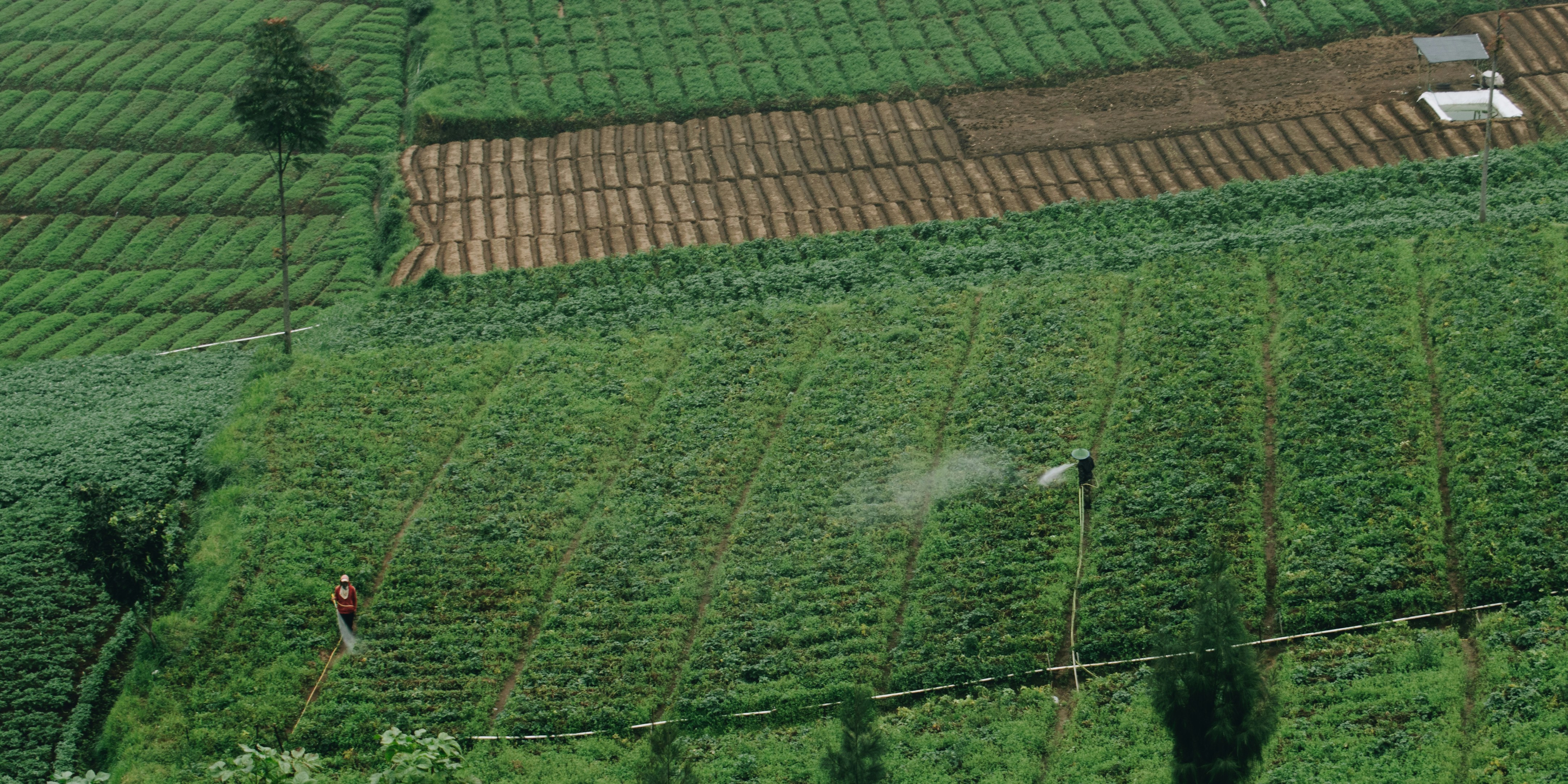
For instance, smart irrigation systems that monitor soil moisture levels can significantly decrease water usage, while advanced fertilization techniques can optimize nutrient application and reduce excess use of chemicals. Similarly, targeting pesticide applications based on real-time data can lessen the ecological impact while still maintaining crop health. These smarter practices create a more sustainable farming model, thereby contributing to the broader goal of environmental stewardship.
Moreover, the economic advantages of applying intelligent resource management principles cannot be overstated. By reducing input costs through optimized resource use, farmers can enhance their profit margins and reinvest in their operations or in sustainable innovations. Implementing these strategic methodologies fosters a more resilient agricultural sector, poised to meet the challenges of both market demands and environmental sustainability.
Leveraging Data for Water Management
Effective water management is essential for reducing input costs in agriculture, as water is not only a vital resource but also a significant expense. Intelligent resource management through data-driven techniques such as precision irrigation, soil moisture sensors, and weather data analysis can substantially optimize water usage and enhance conservation efforts.
One of the most innovative approaches in this domain is precision irrigation. This technique employs advanced technology to deliver water directly to the plant roots in specific amounts, based on real-time data regarding soil conditions, crop needs, and climatic factors. By using precision irrigation, farmers can reduce water wastage, ensuring that each drop is utilized efficiently to promote healthy crop growth. Studies have shown that this method can cut water consumption by up to 30%, leading to both cost savings and increased crop yield.
Soil moisture sensors also play a crucial role in intelligent water management. These sensors provide farmers with accurate data on the moisture levels present in the soil, allowing them to irrigate only when necessary. This technology not only conserves water but also prevents over-irrigation, which can lead to nutrient leaching and soil degradation. Implementing soil moisture sensors can significantly lower water costs and contribute to sustainable farming practices.
Furthermore, integrating weather data analysis into water management strategies can offer predictive insights that enable timely irrigation decisions. By analyzing weather patterns and forecasts, farmers can anticipate rainfall and adjust their irrigation schedules accordingly, further maximizing water efficiency. For instance, utilizing platforms that aggregate local weather data can guide farmers on when to cease or start irrigation, minimizing unnecessary water use.
In conclusion, leveraging data for water management encompasses a variety of innovative techniques that allow farmers to make informed decisions regarding their water usage. By embracing technologies such as precision irrigation, soil moisture sensors, and weather data analysis, farmers can significantly reduce their water costs while promoting environmental sustainability in their agricultural practices.
Optimizing Fertilizer Use through Smart Technology
In the quest for efficient resource management within agriculture, optimizing fertilizer usage is paramount. Implementing smart technology can significantly minimize input costs while ensuring that crop yields remain at desirable levels. One effective method is through comprehensive soil testing. Conducting regular soil analyses enables farmers to ascertain the nutrient composition and pH level of their land, allowing for a more tailored fertilizer application. This practice helps in identifying nutrient deficiencies specific to each field, thus preventing over-fertilization and the associated waste of both resources and capital.
Furthermore, nutrient management software plays a pivotal role in streamlining application processes. By utilizing such software, farmers can remotely monitor and manage fertilization schedules, integrating real-time data with agronomic factors into their decisions. This transition from paper charts to digital tools facilitates a holistic view of resource allocation, ultimately leading to smarter input use. For example, algorithms within these software systems can analyze past yield histories and predict future nutrient requirements, allowing practitioners to apply fertilizers when crops need them most.
Another crucial aspect is the use of crop modeling tools, which offer predictive insights into how various factors affect crop growth. By employing these models, farmers can simulate different fertilization strategies and their impact on yield. Consequently, they can pinpoint the optimal timing and quantity of fertilizer needed, balances costs against potential yield improvements, and further examines the effect of weather patterns on fertilizer efficacy. Case studies of farmers who have successfully transitioned from traditional methods of fertilization to data-driven strategies demonstrate the tangible benefits of this approach; they have not only reduced their fertilizer expenses but also increased their overall productivity.
Integrating Pest Management Strategies
Effective pest management is critical to reducing input costs in agricultural settings. One of the most efficient methodologies in this regard is Integrated Pest Management (IPM). IPM combines various management strategies and practices to control pest populations while minimizing economic, health, and environmental risks. By implementing IPM, farmers can significantly reduce their reliance on conventional chemical pesticides, which often entail substantial expenses.
A key component of IPM is the use of pest prediction tools. These sophisticated systems leverage data analytics and historical pest occurrence patterns to forecast pest outbreaks. By integrating these predictive models, farmers can take proactive measures to target pest control before infestations escalate, ultimately saving on pesticide costs. Effective monitoring systems also play an integral role in IPM. Regular monitoring of pest populations enables timely interventions, making it easier to restrict pesticide applications to specific areas that require immediate attention.
Moreover, adopting a proactive pest management approach allows for the exploration of organic or biopesticide options. These alternatives can provide effective pest control with lower environmental impacts compared to traditional pesticides. By understanding pest life cycles and behaviors, farmers can strategically apply organic solutions, which can often be less expensive than synthetic pesticides.
Technological advancements further enhance the implementation of IPM strategies. Innovations such as automated sensors and drones facilitate better pest detection and monitoring. These tools help farmers achieve more effective pest management without incurring high costs associated with heavy pesticide applications. As technology continues to advance, it ensures that pest management strategies become even more sophisticated and economically viable.
In conclusion, integrating pest management practices not only reduces pesticide usage but also contributes to significant cost savings. By employing IPM with robust monitoring and technological support, agricultural producers can achieve sustainable pest control that aligns with their economic and environmental goals.