
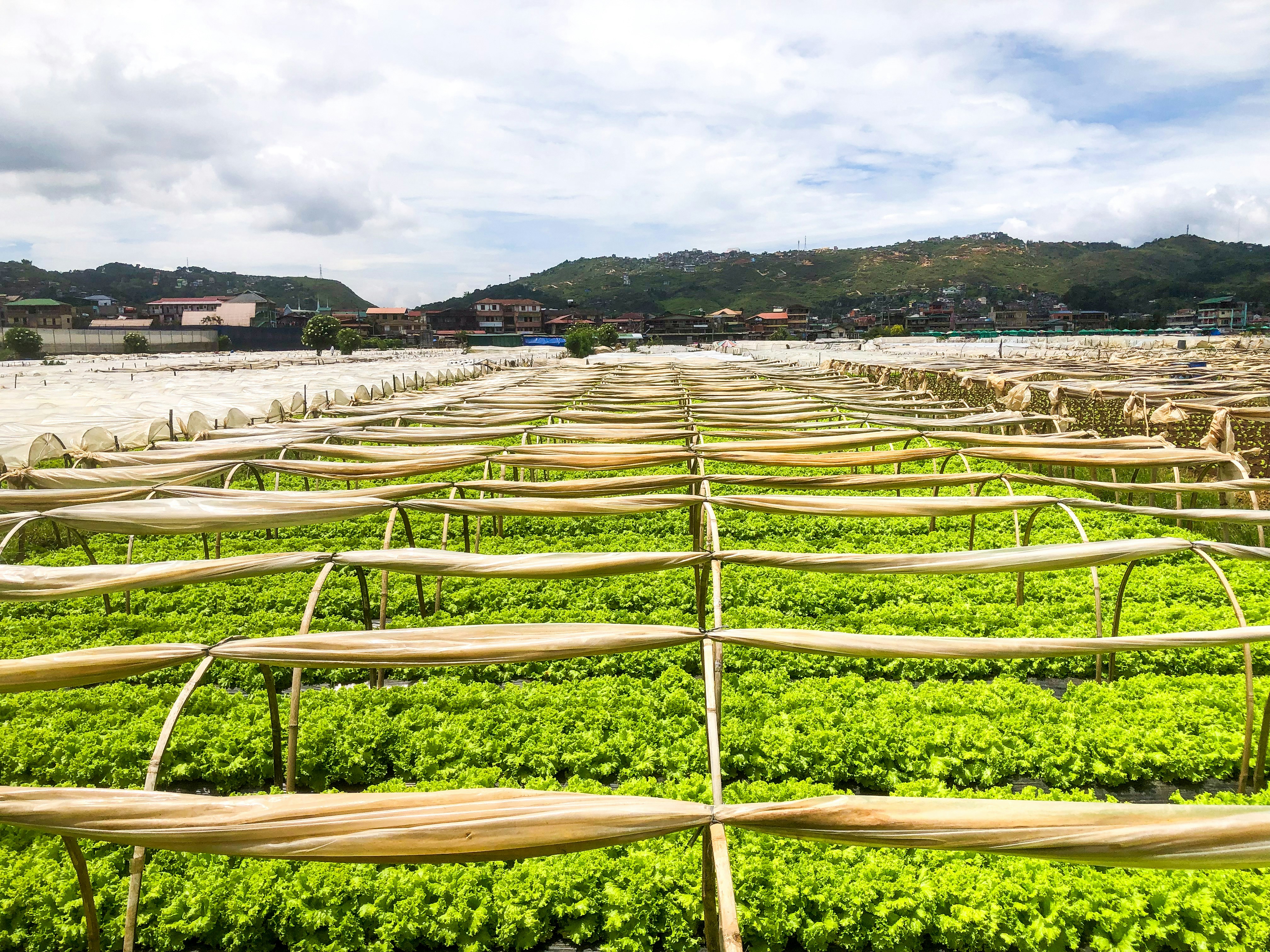
Understanding the Importance of Climate Data for Farmers
In modern agriculture, the reliance on precise climate data is more critical than ever. Climate data provides farmers with essential insights that allow them to make informed decisions regarding their crops. One of the primary benefits of utilizing climate data is the ability to anticipate adverse weather conditions that can significantly impact crop yields. Events such as frost, heat stress, drought, and heavy rainfall can devastate agricultural production, and being well-prepared for these occurrences can mitigate potential losses.
Farmers can access advanced climate forecasts that outline various environmental conditions over short and long-term periods. These forecasts not only enhance the understanding of weather patterns but also aid in the planning and execution of farming activities. For instance, understanding when a significant weather event may occur can help farmers decide the best times for planting, irrigating, or harvesting crops. Such strategic planning can lead to more robust crop management and higher productivity.
The development of technology is dramatically transforming the agricultural landscape. Tools such as weather stations, satellite imagery, and climate prediction models provide real-time data that farmers can employ to refine their practices. This access to immediate information enables farmers to make timely adjustments in response to fluctuating weather conditions. By integrating climate data into their decision-making processes, farmers are not only able to enhance their crop yields but also bolster their resilience against climate variability.
Furthermore, modern data analytics techniques allow for the interpretation of complex climate datasets, providing actionable insights tailored to specific agricultural needs. Such innovations ensure that farmers can effectively adapt to changing climate conditions, thereby promoting sustainable farming practices. With a focus on climate data, the agricultural sector can navigate the challenges posed by weather unpredictability, ensuring food security and environmental stewardship.
Localized Climate Forecasting Techniques
Localized climate forecasting techniques play a crucial role in agriculture by ensuring that farmers are equipped with accurate, timely information regarding weather conditions. These methods help in making informed decisions that can mitigate the impact of weather-related crop loss.
One of the primary tools used in localized forecasting is the network of weather stations. These stations are strategically placed across various regions, collecting data on temperature, humidity, precipitation, and wind patterns. The localized data gathered provides farmers with precise forecasts, allowing them to understand imminent weather changes. Compared to generalized forecasts, this localized data is invaluable in evaluating specific threats such as frost or drought that could affect crop yields.
Another significant tool is satellite imagery, which offers a broader view of weather patterns over different agricultural areas. Utilizing high-resolution satellite images, farmers can analyze land surface temperatures, soil moisture levels, and vegetation health. These insights can be instrumental in monitoring crop performance and predicting potential weather-related risks. Moreover, satellite imagery can complement data collected from ground-based weather stations to form a comprehensive forecasting model.
Predictive analytics is transforming how weather forecasts are utilized in agriculture. By exploiting historical weather data and advanced computational algorithms, predictive models can be developed to foresee weather patterns and their potential impacts on specific crops. This analysis allows farmers to simulate different scenarios based on varying weather conditions and make proactive decisions about planting and harvesting schedules.
In conclusion, tailored localized climate forecasting techniques such as weather stations, satellite imagery, and predictive analytics are essential for modern agriculture. These tools not only improve the precision of weather predictions but also empower farmers to effectively manage their operations against the risks associated with weather fluctuations, ultimately reducing crop loss.
Case Studies: Success Stories from Farmers Utilizing Climate Data
Farmers worldwide have increasingly turned to climate data to mitigate the impact of adverse weather on their crop yields. One notable example is the case of a corn farmer in the Midwest United States who regularly utilized climate models to adjust planting and harvesting schedules. Before employing climate data, this farmer suffered significant crop losses due to unexpected frost and drought periods. By analyzing long-term climate patterns and forecasts, the farmer adjusted planting timelines and adopted drought-resistant seed varieties. This strategy led to a significant increase in corn yield, with a 20% improvement reported over three consecutive growing seasons.
Another compelling case is a vineyard in Southern Europe that faced challenges from unpredictable rainfall patterns. With the help of climate data analytics, the vineyard management was able to implement precision irrigation techniques. They employed historical weather data and real-time forecasts to optimize water usage, ensuring that vines received adequate moisture without succumbing to water stress. As a result, the vineyard not only saw enhanced grape quality but also reduced operational costs related to water use, ultimately improving profit margins by approximately 15%.
In Africa, a cooperative of smallholder farmers specializing in climate-sensitive cash crops, like cocoa and coffee, adopted mobile climate information services. These services provided farmers with timely advisories on rainfall and temperature fluctuations. As a result, members of the cooperative collectively improved their crop planning and pest management strategies. This has led to decreased crop losses from diseases linked to weather changes, boosting overall production by approximately 30%. The success stories from these farmers illustrate how effectively utilizing climate data can transform agricultural practices and enhance resilience against weather-related adversities.
The Future of Agriculture: Integrating Climate Data with Sustainable Practices
As the impacts of climate change become increasingly apparent, the agricultural sector faces both significant challenges and opportunities. By integrating climate data with sustainable agricultural practices, farmers can better adapt to shifting weather patterns and mitigate weather-related crop losses. This proactive approach is vital, as the world’s food security is closely tied to the ability of agriculture to adapt to climate variability.
Advancements in technology are expected to play a crucial role in the future of agriculture. Innovations such as precision agriculture, which relies on data analytics to optimize field-level management, are already being utilized to enhance crop yields and reduce waste. These technologies allow farmers to make more informed decisions based on real-time climate data, enabling them to tailor their practices to specific weather conditions. Moreover, satellite imagery and remote sensing can enhance monitoring of crop health and soil conditions, providing valuable insights that were previously inaccessible.
Policy changes are also anticipated as governments and organizations recognize the importance of sustainable agriculture in the face of climate challenges. Incentives for adopting eco-friendly practices and investments in climate-resilient farming systems are likely to increase, promoting sustainable methods that not only support farmers but also help protect the environment. Furthermore, increasing awareness among farmers concerning climate adaptation strategies is vital. Educational initiatives and training programs that emphasize the importance of climate data in farming will empower farmers to adopt more resilient practices.
In conclusion, by integrating climate data with sustainable farming practices, the agricultural sector can not only navigate the complexities of a changing climate but also pave the way for a more resilient food system. The future promises not only technological advancements and policy evolution but also a collective movement towards sustainability. Such efforts will ultimately enhance the ability of agriculture to thrive amidst environmental challenges, ensuring food security for future generations.