Introduction to Intelligent Farming
Intelligent farming represents a transformative approach that integrates advanced technology into agricultural practices. The central concept revolves around the utilization of data and smart technologies to enhance productivity, efficiency, and sustainability in farming. As modern agriculture grapples with challenges such as climate change, population growth, and resource management, intelligent farming emerges as a viable solution to address these pressing issues.
The importance of data-driven practices in intelligent farming cannot be overstated. By harnessing vast amounts of data collected from various sources—such as weather patterns, soil conditions, and crop health—farmers can make informed decisions that optimize their operations. For instance, data analytics tools enable the precise application of water, fertilizers, and pesticides, reducing waste and improving crop yields. This shift towards data-centric methodologies signifies a major leap from traditional farming techniques, fostering a more precise and sustainable agricultural framework.
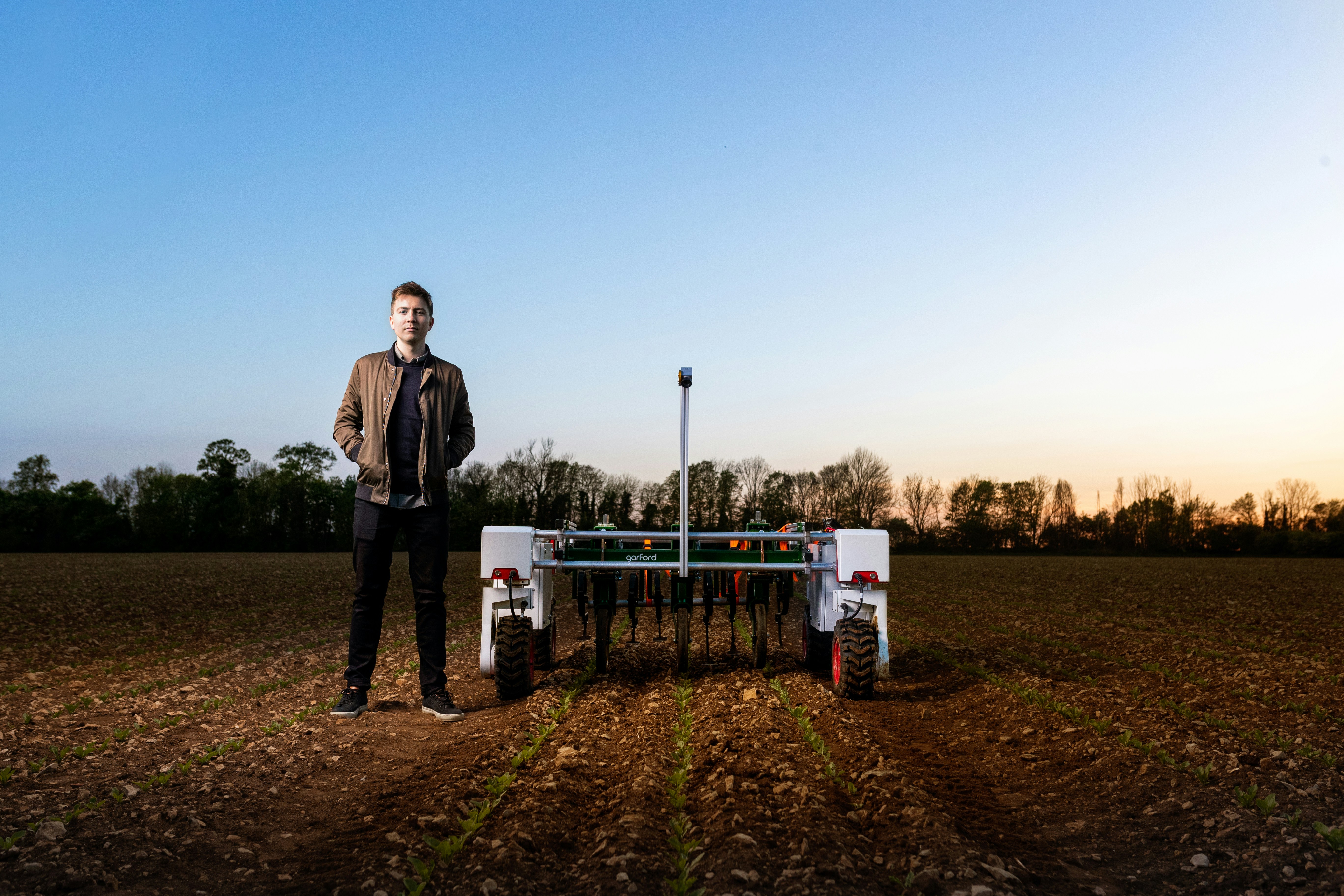
Moreover, intelligent farming incorporates emerging technologies such as the Internet of Things (IoT), artificial intelligence (AI), and robotics, which work in unison to revolutionize agricultural practices. IoT devices can monitor field conditions in real time, while AI algorithms can analyze data to predict crop performance and recommend best practices. Robotics may be employed for tasks ranging from planting to harvesting, ensuring greater efficiency and reducing labor costs.
In conclusion, intelligent farming is reshaping the agricultural landscape by promoting innovation and enhancing productivity through technology and data analysis. By adopting these modern approaches, farmers are better equipped to face challenges and improve overall agricultural sustainability. As intelligent farming continues to evolve, its impact on the future of food production becomes increasingly significant.
Key Components of Intelligent Farming
Intelligent farming represents a paradigm shift in agricultural practices, leveraging advanced technologies to optimize efficiency and yield. Central to this evolution are several key components: sensor technologies, the Internet of Things (IoT), Artificial Intelligence (AI), and data analytics. Each of these elements plays a crucial role in the comprehensive framework of modern agriculture.
Sensor technologies are integral to intelligent farming, enabling real-time monitoring of various environmental and soil conditions. These sensors provide critical data on humidity, temperature, soil pH, and nutrient levels, allowing farmers to make informed decisions based on precise metrics. This increase in accuracy not only enhances crop management but also optimizes resource allocation, ensuring that water and fertilizers are used efficiently, leading to sustainable practices.
The Internet of Things (IoT) further amplifies the capabilities of intelligent farming. By connecting various smart devices and systems, IoT facilitates seamless communication and data exchange. This interconnectedness permits the automation of various farming processes, such as irrigation and fertilization, based on data insights. IoT integrates devices like drones, automated tractors, and weather stations, creating a cohesive ecosystem that improves operational efficiency and can significantly increase crop productivity.
Artificial Intelligence (AI) plays a pivotal role in analyzing the vast amounts of data generated by sensors and IoT devices. AI algorithms can identify patterns and anomalies, providing predictive insights that help farmers anticipate challenges such as pest outbreaks or adverse weather conditions. This proactive approach allows for timely interventions, enhancing crop resilience and maximizing yield potential.
Lastly, data analytics is essential in transforming raw data into actionable intelligence. By employing advanced statistical methods and machine learning techniques, farmers can derive meaningful insights that drive decision-making processes. This analytical approach not only improves crop management strategies but also aids in assessing market trends, thereby enhancing the overall profitability of the farming operations.
Role of Data in Farming
In the realm of intelligent farming, the role of data is paramount. As agriculture evolves, the integration of data collection and analysis has emerged as a revolutionary force in the industry. Farmers are now harnessing a variety of data types to enhance their operational efficiency and decision-making processes. Key areas of data collection include soil health metrics, weather patterns, and crop yields.
Firstly, soil health data plays a crucial role in determining the viability of crops in various farming environments. This information encompasses metrics such as pH levels, moisture content, and nutrient availability, enabling farmers to tailor their cultivation methods to suit the specific needs of the soil. By assessing soil quality, farmers can optimize fertilizer applications and irrigation practices, leading to increased yield and reduced resource wastage.
Additionally, weather data is essential for modern agricultural practices. Farmers can access real-time information on temperature, precipitation, and humidity levels, allowing them to make proactive decisions about planting and harvesting schedules. For example, by analyzing long-term weather patterns, farmers can predict potential challenges such as droughts or floods, enabling them to implement strategic measures to safeguard their crops.
Furthermore, crop yield data is a critical indicator of farming success. By analyzing historical yield data, farmers can identify trends and patterns that inform future planting decisions. This analysis allows for the selection of crop varieties that are better suited to specific environmental conditions or market demands. Moreover, understanding yield variability across different farm sections can guide farmers in implementing targeted interventions to boost productivity.
Overall, data-driven insights are transforming the agricultural landscape, enabling farmers to make informed decisions that enhance efficiency and sustainability. As technology continues to advance, the role of data in farming will only become more integral, shaping the future of intelligent agriculture.
AI and Machine Learning: The Brain of Intelligent Farming
Artificial Intelligence (AI) and machine learning have emerged as transformative forces in agriculture, often regarded as the “brain” of intelligent farming. These advanced technologies provide farmers with the tools necessary to enhance efficiency, productivity, and sustainability across various agricultural practices. By analyzing vast amounts of data, AI and machine learning can optimize everything from pest control strategies to crop management processes and yield predictions.
Utilizing machine learning algorithms, farmers can gain insights into soil conditions, weather patterns, and crop health. For example, precision agriculture relies on AI-driven tools that help monitor soil moisture levels and recommend irrigation schedules, thus conserving water while ensuring optimal growth conditions. Additionally, AI can analyze satellite imagery to identify plant health issues, allowing for timely intervention to reduce crop loss.
Pest control is another area where AI truly shines. Machine learning models can detect pest infestations early by analyzing data collected through drones and sensors. By automating the identification process, farmers can apply targeted treatments, minimizing chemical usage and fostering more sustainable practices. Implementation of such technology not only lowers costs but also reduces the environmental impact of farming.
Furthermore, AI plays a crucial role in predicting crop yields. By integrating historical data and real-time environmental variables, these technologies enable farmers to make informed decisions about planting and harvesting times, thereby maximizing their overall productivity. With accurate yield predictions, farmers can optimize their supply chains, reducing waste and ensuring that they meet market demands efficiently.
In conclusion, AI and machine learning represent the future of agriculture, making intelligent farming a reality. As these technologies continue to evolve, they will unleash unprecedented possibilities for optimizing farming processes, ultimately leading to more sustainable and productive agricultural practices.
Benefits of Connected Systems in Agriculture
Connected systems are transforming agriculture by offering a multitude of benefits that significantly enhance farming practices. One of the primary advantages is improved communication. With the integration of connected devices and platforms, farmers can seamlessly communicate with their equipment, soil sensors, and other crucial farming inputs. This real-time data exchange allows for quick decision-making, ultimately leading to more efficient operations.
Another major benefit of connected systems is the ability for remote monitoring. Farmers can keep an eye on their crops, machinery, and livestock from virtually anywhere through mobile applications and online dashboards. This capability not only helps in keeping track of the agricultural processes but also allows for immediate response to any issues that may arise, such as equipment malfunctions or adverse weather conditions. Timely interventions can prevent potential losses and ensure the continuity of agricultural practices.
Furthermore, the automation of operational tasks is a significant advantage offered by connected agricultural systems. Routine tasks such as irrigation management, fertilization, and pest control can be automated to enhance productivity and reduce labor costs. Automated systems equipped with sensors can apply the right amount of water or nutrients at the right time, thus boosting crop yield while minimizing waste. This efficiency is crucial as farmers strive to meet the increasing food demands in a sustainable manner.
Connected systems in agriculture facilitate precision farming, enabling a more data-driven approach that optimizes resource usage and enhances overall productivity. By investing in these technologies, farmers can not only improve their operational efficiency but also contribute to a more sustainable agricultural framework.
Enhancing Farm Productivity
Intelligent farming, often referred to as smart agriculture, harnesses modern technologies to improve farm productivity significantly. These advanced methods incorporate data analytics, Internet of Things (IoT) devices, and automation to optimize farming operations, thereby enhancing yield and efficiency. One notable example is the implementation of precision agriculture techniques, which allow farmers to monitor field variability in crop health, soil condition, and other key factors.
A leading case study is the use of drone technology by a Wisconsin-based corn and soy producer, who adopted aerial imagery to assess crop health. By analyzing the collected data, the farmer was able to identify underperforming areas in their fields that required targeted interventions, such as nutrient application and irrigation adjustments. This approach not only improved the overall crop yield but also significantly reduced input costs, showcasing how intelligent farming can lead to more sustainable agricultural practices.
Moreover, the incorporation of sensor technology in greenhouses has exemplified enhanced productivity. For instance, a Dutch greenhouse farm utilized IoT sensors to monitor temperature, humidity, and light levels, allowing for precise control over the growing environment. This intelligent farming model led to an increase in crop production by 30%, while simultaneously reducing water and energy consumption.
Such advancements in farming technologies are not limited to large operations. Smaller farms have also benefited from smart farming practices. A community-supported agriculture (CSA) farm in California integrated soil moisture sensors to optimize irrigation schedules, which resulted in improved crop health and reduced water usage. By employing intelligent farming techniques, farms of all sizes can maximize their productivity while ensuring environmental sustainability.
Economic Impact and Cost Control
The advent of intelligent farming has ushered in a transformative era for modern agriculture, marked by significant economic benefits and enhanced cost control. By leveraging data analytics, farmers gain profound insights into their operations, enabling them to make informed decisions that directly influence their profitability and productivity. This data-driven approach allows for the optimization of resources, making intelligent farming a key player in financial efficiency.
One of the primary economic impacts of intelligent farming is the potential for substantial cost reduction. Advanced technologies, such as precision agriculture, use satellite imagery and IoT devices to monitor crop health and soil conditions more accurately. This precision helps in minimizing waste and ensuring that inputs like water, fertilizers, and pesticides are utilized more effectively. As a result, farmers can achieve higher yields while simultaneously reducing their overall operational expenses.
Moreover, the implementation of intelligent farming tools facilitates real-time decision-making, enabling farmers to respond swiftly to market changes and unforeseen challenges. By analyzing market data and predicting demand trends, farmers can adjust their production strategies accordingly. This adaptability not only helps in maximizing profit margins but also ensures that they remain competitive in a dynamic agricultural landscape.
Furthermore, intelligent farming technologies can enhance supply chain management, reducing costs associated with logistics and distribution. By optimizing routes and minimizing delays, farmers can ensure that their products reach the market fresh and at reduced costs. Consequently, this efficiency can lead to improved financial outcomes, promoting growth and expansion opportunities for farm operations.
In summary, the economic impact of intelligent farming is profound, characterized by cost control and enhanced financial performance. By integrating cutting-edge technology and data analytics into their practices, farmers can significantly improve their bottom line while promoting sustainable agricultural practices. The ongoing evolution of intelligent farming promises to further optimize agricultural productivity and financial efficiency in the years to come.
Challenges and Barriers to Adoption
As intelligent farming becomes a pivotal component of modern agriculture, many farmers encounter significant challenges and barriers when integrating these advanced technologies into their practices. Key obstacles include initial costs, technology accessibility, and existing knowledge gaps among agricultural practitioners.
The initial investment required for intelligent farming solutions can be a major deterrent for many farmers, particularly those operating on tight budgets. Precision agriculture tools, such as sensors, drones, and data management software often carry high upfront costs, which may not yield immediate financial returns. This creates a dilemma for farmers who need reassurance that these expenses will translate into increased productivity and profitability over time.
Technology accessibility is another considerable barrier. In some rural areas, a lack of high-speed internet connectivity limits farmers’ ability to utilize data-driven applications essential for intelligent farming. This digital divide can prevent farmers from accessing vital resources and support networks that facilitate the adoption of smart agricultural practices.
Furthermore, a knowledge gap poses additional challenges. Many farmers lack adequate training in utilizing advanced agricultural technology. Without formal education or sufficient guidance, they may struggle to grasp the benefits and operational aspects of intelligent farming solutions. This limitation can lead to skepticism regarding the technology’s effectiveness, ultimately hindering its adoption.
To overcome these barriers, potential solutions include government grants and subsidies to help mitigate initial costs, the development of community-based training programs to enhance farmers’ technological literacy, and initiatives aimed at expanding internet access in rural communities. By addressing these challenges, the agricultural sector can more effectively transition to intelligent farming practices, ensuring that farmers harness the full potential of these innovations.
Conclusion: The Future of Intelligent Farming
The landscape of agriculture is undergoing a profound transformation driven by advancements in technology and an increasing need for sustainable practices. Intelligent farming, characterized by the integration of data analytics, automation, and precision agriculture, represents a significant shift that promises to enhance productivity and sustainability in farming operations. Looking to the future, it’s essential to consider several emerging trends that may shape the evolution of intelligent farming.
First, we are likely to witness a further integration of artificial intelligence and machine learning into agricultural practices. These technologies can facilitate improved decision-making processes by analyzing vast amounts of data collected from various sources, including sensors and drones. As AI continues to evolve, it will enable farmers to optimize planting schedules, resource allocation, and crop management strategies with unprecedented accuracy.
Additionally, the development of Internet of Things (IoT) devices will enhance connectivity within agricultural systems. IoT applications in farming—such as smart irrigation systems and remote monitoring of crop health—will empower farmers to respond swiftly to changes in environmental conditions, thereby minimizing waste and improving yields. As these technologies become more accessible and affordable, more farmers will adopt intelligent farming practices.
Moreover, the increasing emphasis on sustainability will drive innovation in intelligent farming techniques. With climate change posing significant challenges to global food production, farmers will need to employ methods that align with ecological conservation while maximizing harvests. Sustainable practices such as regenerative agriculture will become integral components of intelligent farming, allowing for the coexistence of productivity and environmental stewardship.
Adaptability will be critical for farmers venturing into this new era. Embracing intelligent farming technologies will not only enable farmers to thrive in a rapidly changing agricultural landscape but also foster a more resilient and sustainable food system. By remaining open to change and continuously seeking out innovative solutions, farmers can position themselves for success in the evolving world of agriculture.